Spring Drainage System Design Ideas From Local Service Providers
Prepare your property for spring with expert drainage system designing services from local contractors focused on effective, lasting solutions.
Spring is a popular season for drainage system designing because it marks a time when property owners often assess and prepare for the upcoming months of increased rainfall and runoff. As winter recedes, many individuals take the opportunity to evaluate their existing drainage solutions, identify areas prone to pooling or erosion, and plan improvements to protect their property. Spring’s moderate weather and longer daylight hours make it an ideal time to undertake outdoor projects, ensuring that drainage systems are properly designed and installed before heavy rains arrive. This proactive approach helps prevent potential water damage, foundation issues, and landscape erosion, making spring an optimal season for drainage planning and upgrades.
Drainage system designing services typically cover a range of tasks aimed at creating effective solutions for directing water away from structures and landscaped areas. Local contractors may perform site assessments to understand the terrain, soil conditions, and water flow patterns. Based on this evaluation, they can design customized drainage solutions such as French drains, surface drains, or subterranean piping systems. The process often includes planning the layout, selecting appropriate materials, and ensuring proper grading to facilitate efficient water runoff. These services are essential for property owners seeking to mitigate water-related issues, improve landscape health, or prepare their property for seasonal weather changes.
When comparing local options for drainage system designing, property owners should consider the experience and specialization of service providers in their area. It is helpful to review the types of projects each contractor has completed and inquire about the methods and materials they use. Asking for references or examples of previous work can provide insight into the quality and effectiveness of their designs. Additionally, understanding how each local contractor approaches planning and customization ensures that the chosen service aligns with the specific needs of the property. By evaluating these factors, property owners can make informed decisions and select a provider capable of delivering reliable, well-designed drainage solutions suited to their landscape and seasonal requirements.
Compare local contractors’ expertise and priorities to plan your spring drainage system upgrade effectively.
- Proper Drainage Planning - Local contractors can assess site conditions to design effective drainage systems for spring runoff.
- Seasonal System Inspection - Service providers can evaluate existing drainage setups to identify and address potential issues.
- Custom Drainage Solutions - Local pros can recommend tailored designs to manage spring rain and prevent water accumulation.
- Installation and Upgrades - Experienced contractors can install new drainage components or upgrade existing systems for seasonal readiness.
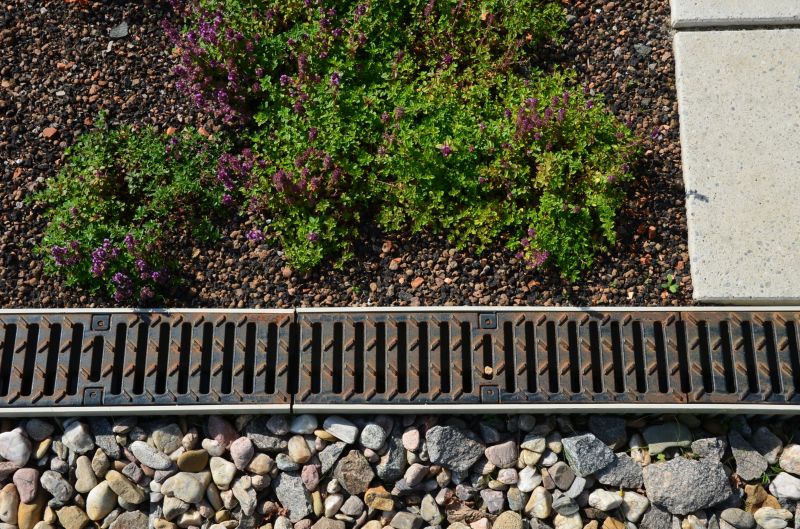
Before comparing options, clearly describe your drainage system project to help local contractors recommend suitable solutions.
- Assess drainage needs based on the property's landscape and slope to ensure proper flow of water. - Consider how seasonal rain and melting snow may impact drainage requirements during spring.
- Design a drainage system that effectively directs water away from foundations, walkways, and other structures. - Ensure that the system includes appropriate slopes, channels, and outlets for efficient water management.
- Evaluate the capacity of existing drainage components and identify areas that may require upgrading or additional features. - Local contractors can help determine if current systems can handle spring rainfall and runoff.
- Plan for proper placement of drains, catch basins, and piping to prevent water pooling and erosion. - Think about strategic locations to install or improve drainage elements for optimal performance.
- Check for potential obstructions or debris buildup that could impede water flow during heavy spring showers. - Regular maintenance or redesign might be needed to keep drainage pathways clear.
- Consult with local service providers to ensure the drainage system design complies with regional codes and best practices. - Proper planning helps avoid future water-related issues and protects property value.
Use this to spark ideas and refine your scope when planning drainage system designs with trusted local contractors.
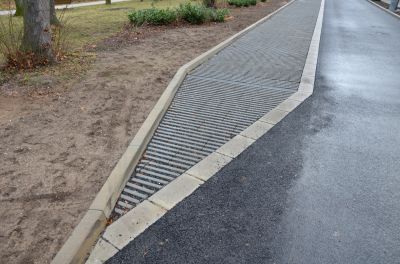
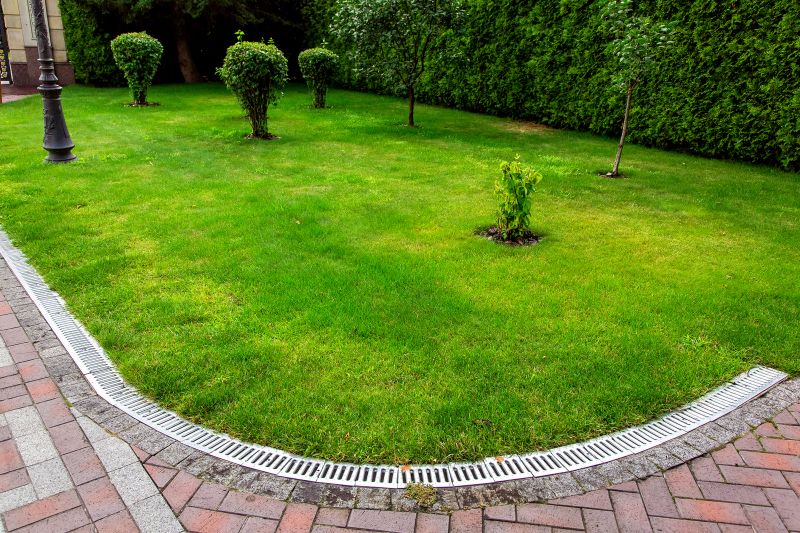
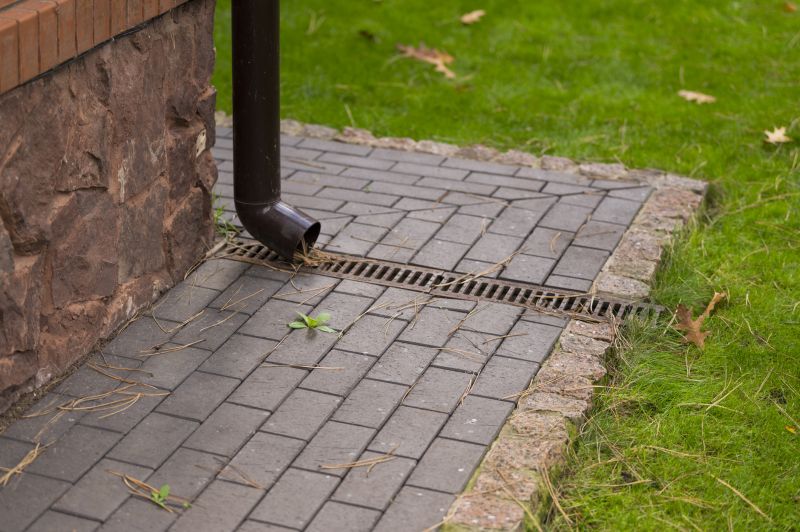
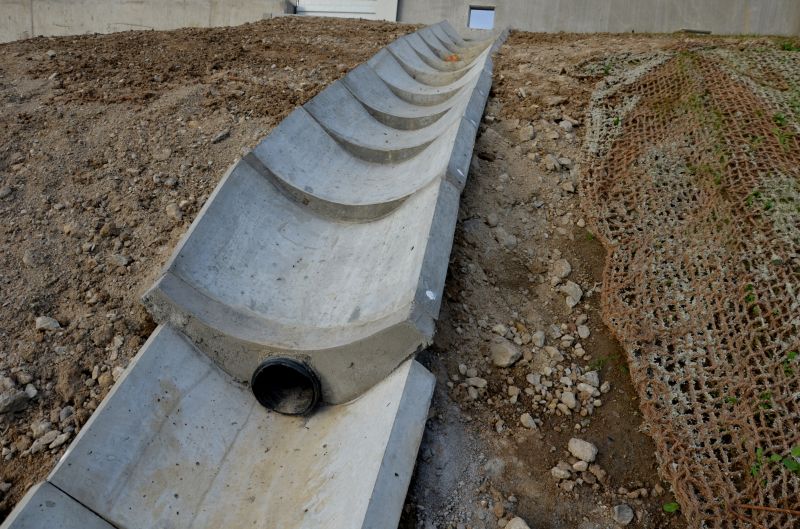
Spring is a great time to plan drainage system projects by prioritizing needs and comparing local contractors.
- Drainage System Design Consultation - Local contractors can provide expert assessments to develop effective drainage plans tailored to spring runoff and seasonal rain patterns.
- Stormwater Management Solutions - Service providers can help design systems that efficiently channel excess water away from foundations and landscape areas.
- Drainage Pipe Installation - Professionals can install or upgrade drainage pipes to improve water flow and prevent pooling during the spring season.
- Landscape Drainage Planning - Local pros can create drainage solutions integrated into landscape designs to protect gardens and lawn areas from excess water.
- Erosion Control System Design - Contractors can develop strategies to minimize soil erosion caused by spring rains, ensuring long-term stability of the property.
Compare different service providers to ensure consistent scope and quality in your drainage system design this spring.
- Identify drainage requirements - determine the volume and flow capacity needed for effective water management.
- Assess site conditions - evaluate soil type, topography, and existing infrastructure to inform design choices.
- Design drainage layout - plan the placement and routing of pipes, drains, and other components to ensure proper water flow.
- Select appropriate materials - choose durable and suitable materials that meet the project's drainage specifications.
- Plan for future maintenance - incorporate features that facilitate inspection, cleaning, and ongoing system upkeep.
When evaluating drainage system designing services during the spring season, it is important to consider the experience of local contractors with similar projects. Homeowners should seek out service providers who have a proven track record of designing effective drainage solutions for properties with comparable landscapes, soil types, or drainage challenges. An understanding of how drainage systems perform in spring conditions-such as increased rainfall and melting snow-can be a valuable indicator of a contractor’s familiarity with seasonal considerations that impact system performance and longevity.
Clarity in the scope of work is essential when comparing drainage design options. Homeowners are encouraged to request detailed descriptions of what each service provider intends to include, such as site assessment, design plans, materials, and installation methods. Clear documentation helps ensure that expectations are aligned and that all necessary elements are covered. Well-defined scope details also make it easier to evaluate the thoroughness of each proposal and to identify any potential gaps or areas requiring further clarification.
Work planning considerations should focus on how each local contractor approaches the project timeline, site preparation, and coordination with other springtime landscaping or construction activities. A well-organized plan accounts for weather variability and ensures that drainage system design aligns with seasonal conditions. Homeowners can inquire about the contractor’s process for scheduling site visits, design revisions, and installation work, which can influence the overall success of the project during the spring season when weather can impact progress.
When comparing options, it is helpful to assess how each service provider communicates their approach and expertise. This includes reviewing their experience with similar projects, the level of detail in their scope of work, and their planning considerations. Homeowners should seek clarity on the methods and materials proposed, ask about their understanding of seasonal challenges, and evaluate how well each contractor’s approach aligns with the specific needs of the property. This thorough comparison can aid in selecting a trusted partner capable of designing an effective drainage system suited to springtime conditions.
Request written details to ensure the drainage system scope aligns with your spring project needs.
- Scope Clarification - What specific drainage system features and components should be included in the design?
- Provider Comparison - How do local contractors differ in their approaches to spring drainage system planning?
- Design Considerations - What factors should be prioritized when customizing a drainage system for spring runoff?
- Service Offerings - Which drainage system design services are typically provided by local contractors during spring?
- Experience & Expertise - How do the experience levels of local service providers influence drainage system effectiveness in spring?
What is drainage system designing? Drainage system designing involves planning and creating effective layouts for water removal to prevent flooding and water damage around properties.
Why is proper drainage design important in spring? Spring often brings increased rainfall and runoff, making effective drainage design essential to manage water flow and protect structures.
What factors do local contractors consider in drainage system design? They evaluate land topography, soil type, water flow patterns, and property layout to develop efficient drainage solutions.
How can I ensure my drainage system is effective for spring rains? Consulting with experienced service providers can help develop a drainage plan tailored to seasonal weather patterns and property needs.
What are common drainage system options available? Options include French drains, surface drains, sump pumps, and channel drains, depending on the specific water management requirements.
How do local service providers assist with drainage system design? They analyze site conditions, recommend suitable solutions, and help coordinate the installation process to ensure proper water flow management.
Understanding the essentials of drainage system designing can help ensure your property manages water effectively, especially as spring rains arrive. Proper planning involves considering the landscape, drainage pathways, and overall system layout to prevent water pooling or damage. By exploring your options and working with experienced local contractors, you can develop a solution tailored to your property's unique needs.
Spring is a great time to review and refresh your drainage plans, making sure your property is prepared for seasonal changes. Using the quote form, you can easily compare local service providers who specialize in drainage system designing. Connecting with these professionals allows you to gather information and find the right fit for your project, ensuring your property stays protected during the upcoming seasons.
Providing clear details about your drainage system design helps local service providers understand your project needs effectively.
- Design Considerations - Share details about the layout and specific requirements for the drainage system project.
- Property Details - Provide information about the property's size, terrain, and existing drainage features.
- Project Goals - Describe the primary objectives for the drainage system, such as water management or preventing flooding.
- Site Conditions - Include relevant site conditions like soil type, slope, and current drainage issues.